
The BEAMA Member Digital Newsletter – October 2024
In this issue, we introduce the NEW Digital Strategy & Innovation Network (DSIN), a refreshed format of the previous Digital Transformation Strategy Forum (DTSF), designed to drive key digital priorities for our members.
This edition also highlights important progress on Digital Product Passports, provides updates on the UK Information Management Mandate review. We also include a Cyber Security, Member Briefing on the latest regulatory changes, along with BEAMA’s representation efforts on your behalf. Plus, we’re calling for AI case studies from BEAMA members to showcase innovation across the sector.
Proactivity, "The best way to predict the future is to invent it." — Alan Kay
This issue of our Digitalisation Newletter has been circulated to the BEAMA membership, and future editions will be sent to the Digitalisation Mailing List. To continue receiving our Digital newsletter, please opt in by here. Future editions will only be sent to those who have opted in.

Please consider whether there are colleagues of yours who may not be on the BEAMA distribution yet, who would like to receive the newsletter and forward it to them, so they can opt in to receiving it.
Digital Transformation Strategy Forum (DTSF) Update
As discussed with our DTSF Members, it's time for a fresh focus and renewed energy in our work. We're excited to announce that BEAMA DTSF will now be known as the Digital Strategy & Innovation Network, focusing on strategic innovation, digital transformation, empowering the future for electrotechnical manufacturers.
This new direction will energise, help to define and focus on priority areas that matter most to you, our members. With a clear agenda and targeted discussion topics, we’ll ensure every meeting brings value, guiding your digitisation and digitalisation journey.
I am in the process of arranging our introductory meeting to outline our path forward for actionable strategies and impactful outputs that will shape the future of our industry.
We’re thrilled to have the continued leadership of Matt Crunden (Legrand) as Chair. Together, we will help drive our shared goals.
Participation is open to all members, to get involved or learn more, please contact Patricia Massey at [email protected].
Digital Product Passports: A Key Step Toward Product Transparency
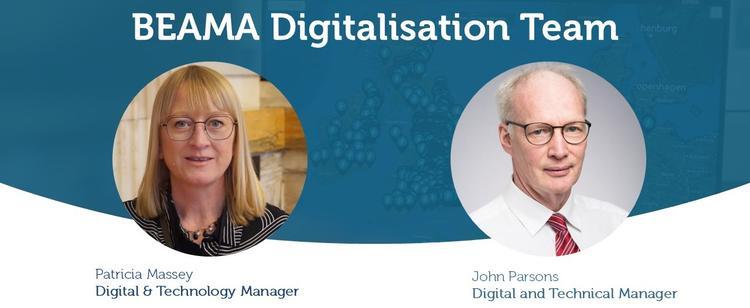
Patricia Massey, a valued BEAMA colleague, is at the forefront of the development of the European Digital Product Passport (DPP) framework, representing the UK in various key committees. She is an active member of BSI’s E-Commerce Committee (IST/47/-/3), the National Mirror Group and CEN/CLC JTC 24. In her role within the Strategic Advisory Group (SAG) for the DPP framework and system, Patricia contributes to coordinating cross-sectoral issues across working groups and helps maintain the JTC 24 Business Plan, helping shape the future of DPP standards.
The Digital Product Passport (DPP), developed under the Ecodesign for Sustainable Products Regulation (ESPR), is designed to enhance transparency and traceability across a product's entire lifecycle. This initiative focuses on making critical product data, such as compliance, materials, repairability and recyclability, readily available. DPPs promote the circular economy by enabling better reuse, repair and recycling practices, benefiting manufacturers and consumers alike.
CEN-CLC/JTC 24 is developing specific deliverables for DPPs, which include:
- Unique identifiers and data carriers linking physical products to their digital representations.
- Access rights management, ensuring data security and business confidentiality.
- Interoperability to enable smooth data exchange across industries and regions.
- Data processing and archiving, ensuring the reliability and persistence of crucial product information.
As the DPP (Digital Product Passport) framework progresses towards becoming a mandatory aspect of EU regulatory compliance, BEAMA is dedicated to supporting and informing our members throughout this digitisation journey. We recognise that navigating this transition will be complex and we are here to offer guidance, resources and practical advice to help you manage these changes effectively. BEAMA members are encouraged to remain engaged, understand the implications of DPPs on their operations and prepare to align with this important EU framework.
Simultaneously, discussions are ongoing regarding UK and ISO frameworks. We will ensure that members are kept up-to-date with developments in these areas as well, to provide a comprehensive understanding of the regulatory landscape across both EU and UK context.
Embracing Digital Product Passports is not just a step forward - it's a vital safeguard for the future of construction, ensuring that safety, sustainability and global competitiveness are never compromised.
UK Information Management Mandate Review: A Push for Digital Transformation
The UK’s Information Management Mandate (IMM) is undergoing significant amendments, positioning it as a powerful tool for driving digital transformation across the built environment sector. Patricia Massey, who is closely involved in the review process, highlights that the IMM represents a once-in-a-lifetime opportunity to advance the digitisation of information management across manufacturing and construction.
IMM Aligns with principles from
- IPA Transforming Infrastructure Performance: Roadmap to 2030 (September 2021)
- HM Government Digital, Data & Technology Playbook (June 2023)
- HM Government Construction Playbook (September 2022)
- Private Sector Construction Playbook (November 2022)
- Building Safety Act
The intention of the amended Information Management Initiative (IMI) is clear: it aims to facilitate better through-life management of information and data across all stages of an asset’s lifecycle. This includes the design, construction and operation phases, ultimately helping manufacturers, contractors and asset owners extract more value from their projects. By embracing the above Digital Product Passports (DPPs), the IMM will encourage manufacturers to digitise their processes, improving transparency, efficiency and sustainability.
One of the key aspects of the IMM amendment is its focus on collaboration and inclusion. It stresses the importance of all stakeholders working together to define how information should be received, delivered, used and retained. This includes a strong emphasis on the client’s role in setting standards for information exchange throughout the product lifecycle. Clients will be empowered to shape how data flows through their projects, ensuring that the information they receive is accurate, accessible and useful for decision-making at every stage.
The IMI's commitment to digital transformation extends beyond compliance. It underscores the importance of establishing a digitally connected ecosystem in which every participant, from manufacturers to regulators, has access to reliable, real-time data. This will create significant operational efficiencies, reduce waste and improve the long-term management of assets. Furthermore, the IMI aims to align the UK’s regulatory framework with global standards, such as ISO and the EU’s DPP system, ensuring that UK businesses remain competitive on the international stage.
Hear more information here: nima Autumn Virtual Conference 2024
Information Management Initiative Launch: The refreshed approach to information management for the built and managed environment Thursday 7 November 2024

BEAMA will continue to support our members through this transformation, offering insights and tools to help you align with the IMM requirements. This is an important step toward future-proofing your operations and we are here to assist you in adapting to these new initiatives with confidence.
Artificial Intelligence – Call for Member Case Studies
As we look toward a future increasingly shaped by Artificial Intelligence (AI), BEAMA invites our members to showcase their innovations in this space. We are currently drafting an AI Introduction Guide tailored to the electrotechnical sector and would love to feature real-world case studies from our members.
By contributing a case study, your organisation will have the opportunity to:
- Highlight your pioneering use of AI, showcasing innovative applications within the industry.
- Share insights and best practices with peers and stakeholders, helping to drive collective knowledge forward.
- Position your company as a leader in AI adoption, gaining visibility across the sector.
We are particularly interested in case studies that explore:
- AI in Energy: How AI is being used to improve the efficiency, sustainability and reliability of energy systems, such as smart grids and predictive maintenance.
- Operational Improvements: Demonstrations of AI enhancing manufacturing processes, quality control and decision-making.
- AI-Driven Innovation: Creative applications of AI technologies driving new product development or business models in the electrotechnical sector.
- Risk and Ethics in AI: How your organisation is managing the ethical challenges and risks associated with AI deployment.
To discuss and submit your case study, please contact Patricia Massey [email protected]. We look forward to your contributions and are excited to showcase how our members are leveraging AI to drive transformation across the industry.
Cyber Security – Member briefing and representation

As we increasingly digitalise the sector, cyber security becomes an ever more pressing concern and is subject to considerable government activity. BEAMA is engaged with government, NCSC and other stakeholders and will work with members to address these topics, including:
- Product Security and Telecommunications Act., Coming into law in 2023, the PSTI mandates manufacturers of consumer IoT devices comply with three clauses of ETSI 303 645.
- Energy Smart Appliances. Government has set out its intention to require all ESAs to comply with all parts of ETSI 303 645.
- Software Code of Practice. Government has proposed introducing a code of practice for cyber security good practice for software developers including firmware included in devices.
- NIS2. Government has announced that it will introduce a Security Bill in 2025 that extends the current NIS Regulations and bring them into line with the European NIS2 Regulations.
- European Cyber Regulations. Following the development of cyber security standards for the RED Delegated Act, standardisation will soon begin working on standards to support the Cyber Resilience Act.
To continue receiving our Digital newsletter, please opt in by here. Future editions will only be sent to those who have opted in.
Thank you for your continued engagement.
We look forward to working with you as we navigate these exciting changes and opportunities together.
The BEAMA Management Digital and Technology Team