

The publication of the Government’s Warm Homes Plan marks a significant moment for the future of UK housing, clean heat and electrification.
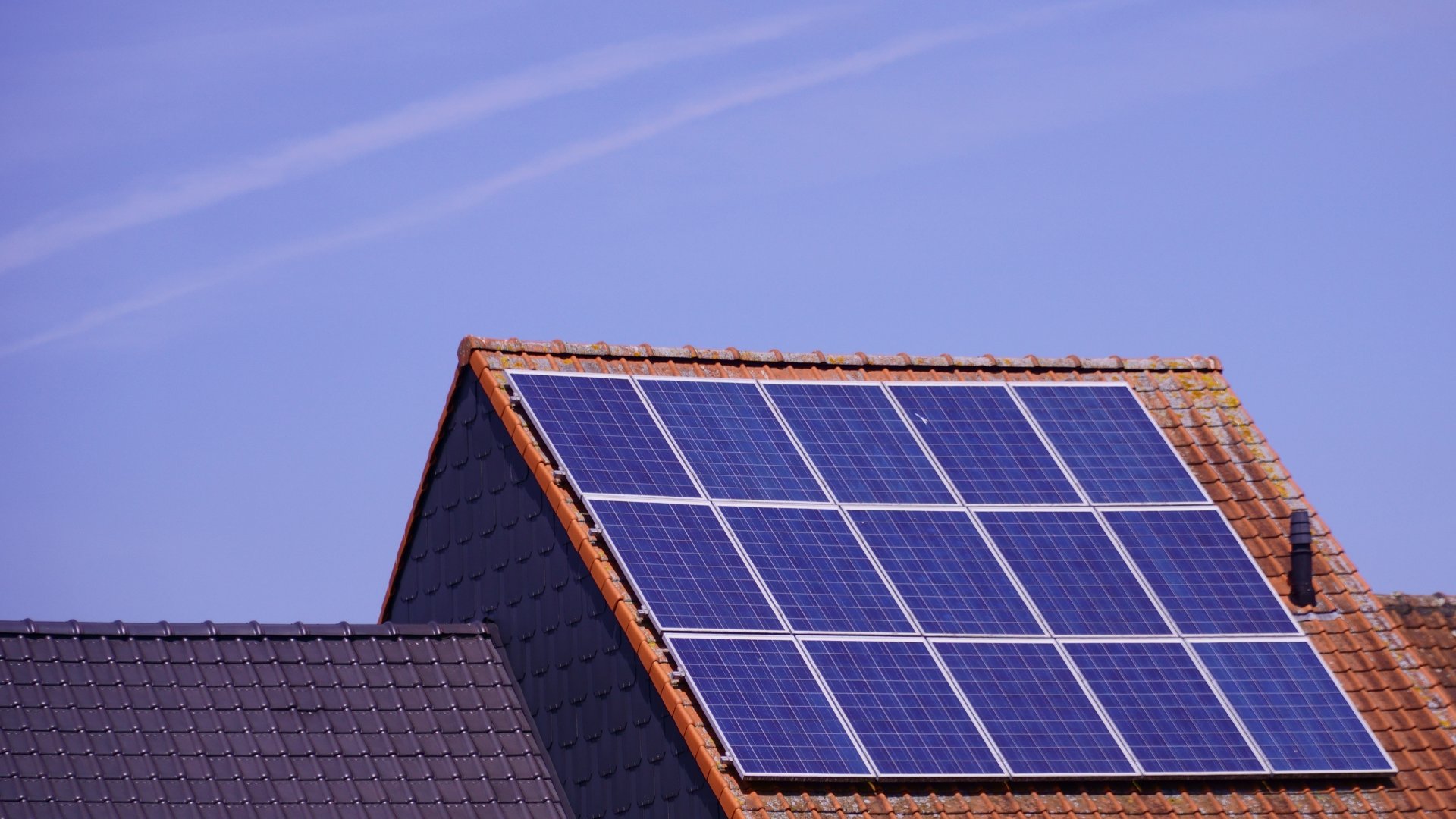
With £15 billion committed towards rooftop solar generation and a range of low carbon heating technologies, the Plan provides long awaited clarity around the Government’s direction of travel and sends a strong signal that the future of clean heat in the UK is electric.
At BEAMA, we strongly welcome this progress. However, successful delivery will depend on how quickly wider policy frameworks align to support market confidence, consumer choice, and long term investment across the supply chain.
A positive signal for industry and consumers
The Warm Homes Plan represents a major opportunity to accelerate the decarbonisation of homes while supporting industrial growth and reducing long term energy costs for consumers.
For many years, BEAMA has advocated for a coordinated whole systems approach to heat electrification, one that links low carbon heating, transport electrification, smarter energy networks, flexibility and consumer engagement.
The Plan makes meaningful progress towards these goals, particularly through its support for electrified heating technologies and wider recognition of the need for better quality assurance, advice, and regional delivery approaches.
The introduction of a Warm Homes Agency is especially welcome and reflects recommendations that industry has championed for nearly a decade. Independent advice and trusted guidance will be essential to helping households navigate the transition to low carbon heating while avoiding mis-selling and poor quality installations.
Electrification must be backed by joined-up policy
While the Warm Homes Plan sets an important direction, it cannot operate in isolation.
Over the coming months, associated policies, including Smart Secure Electricity Systems (SSES), the Future Homes Standard, EPC reform, and the Home Energy Model, will need to align with the ambitions outlined within the Plan.
Without this policy coordination, industry risks continued uncertainty around investment signals, technology eligibility, and long-term market development.
With more than 14.8 million UK homes currently rated EPC band D or below, the scale of the challenge - and opportunity - is enormous. By aligning policy across heat, housing, energy systems, and infrastructure, the UK has the opportunity to deliver one of the most ambitious and comprehensive heat decarbonisation programmes globally.
Consumer choice and system flexibility matter
A successful transition to low carbon heat must preserve consumer choice and support a broad mix of technologies suited to different property types and household needs.
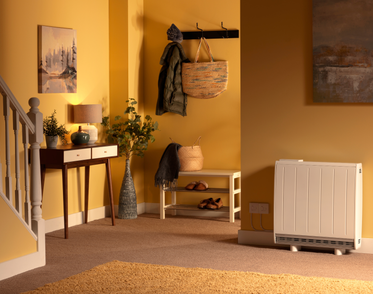
BEAMA continues to advocate for equitable treatment of storage-related technologies and further clarification around the package of technologies supported under Government schemes. Industry and consumers alike need greater certainty around which measures will be incentivised, where they are most appropriate, and how support will evolve over time.
Further work is also required on property archetypes and suitable technology pathways, building on the Government’s Alternative Clean Heat consultation and wider industry engagement.
In parallel, there is still work needed to expand the MCS framework to fully recognise thermal energy storage systems and related technologies that can support flexibility across the electricity system.
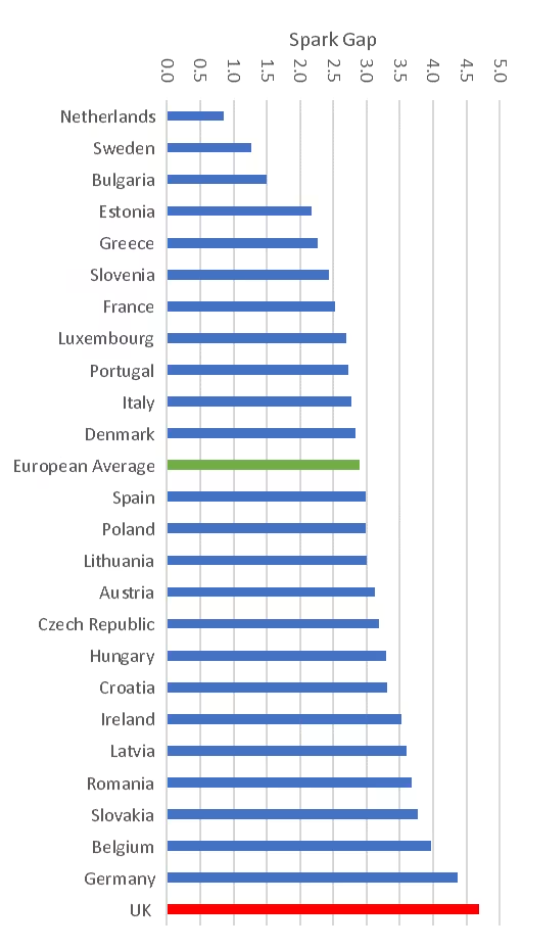
Closing the ‘spark gap’
Reducing the cost of electricity remains one of the strongest market signals Government can provide to encourage the uptake of electrified heating.
As renewable electricity generation continues to expand, addressing the so-called “spark gap”, the price imbalance between electricity and gas, will be critical to driving consumer confidence and accelerating adoption.
BEAMA supports continued collaboration with the Department for Energy Security and Net Zero to explore practical policy options that can help reduce household electricity costs while supporting wider decarbonisation goals.
At the same time, caution is needed around the promotion of summer cooling through air-to-air heat pumps, particularly where this could increase household energy costs while reducing opportunities for flexible tariff participation and demand-side flexibility.
Infrastructure investment will be essential
Mass-market electrification of heat will also require significant investment in electricity network infrastructure.
As the trade association representing the electricity networks supply chain, BEAMA is working closely with the Energy Networks Association and Government on the development of an Electricity Networks Sector Growth Plan.
This work aims to provide long-term analysis on grid investment needs while supporting UK businesses and communities to benefit from the wider energy transition through supply chain growth, skills development, and new employment opportunities.
Turning ambition into delivery
The Warm Homes Plan is an important and positive step forward. However, maintaining momentum will require continued policy development, clearer market signals, and stronger integration across related programmes and incentives.
Most importantly, these measures must be communicated consistently and confidently to both industry and consumers. A clear national mission around improving UK housing stock would provide the confidence needed to unlock investment, accelerate innovation, and increase consumer participation.
Conclusion
Overall, BEAMA supports the Government’s renewed ambition through the Warm Homes Plan, while encouraging further bold action to ensure successful implementation.
Done well, this transition can deliver a major win for the UK: Accelerating decarbonisation, strengthening industrial growth, improving energy security, and helping households reduce long-term energy costs.


Join the Electric Heating & Hot Water Group
Supporting electrified heat in the built environment. Join BEAMA’s Electric Heating & Hot Water (EH&HW) Group to shape the future of electrified heat in UK buildings. Influence policy, support market growth, and champion low carbon, cost effective heating solutions.

Return to Electric Heating and Hot Water Market Guidance
Leading to electrifying heating solutions for a low carbon future. Electric heating and hot water technologies are key to decarbonising buildings and transitioning away from fossil fuels. BEAMA provides expert insight into this transition and how to utilise these solutions for the best outcome for all your stakeholders.
