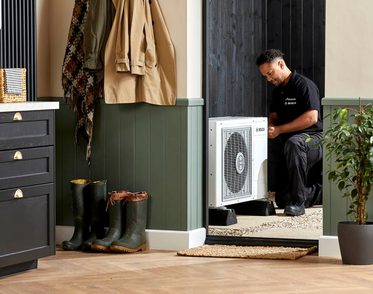

Heating controls have come a long way from simple timers and manual radiator valves. Today’s systems can help homeowners improve comfort, reduce energy use, and better match heating to everyday life.
But what exactly do modern heating controls do - and are they worth it?

Are manual radiator valves enough?
Manual radiator valves only restrict the flow of hot water into a radiator at a fixed level. This means the radiator continues producing roughly the same amount of heat regardless of changing room conditions or outside temperatures.
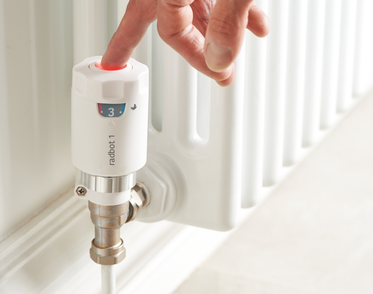
Thermostatic Radiator Valves (TRVs), however, work much more intelligently.
TRVs automatically adjust the heat output of each radiator to maintain a comfortable room temperature. They allow rooms to heat up quickly when needed and then reduce the flow of hot water once the desired temperature is reached.
They can even respond to free heat gains (such as sunshine warming a room naturally) by reducing or shutting off the radiator automatically.
This helps improve comfort while avoiding unnecessary energy use.
Why do I need room controls if my boiler has a thermostat?
This is another common misunderstanding.
The thermostat on your boiler controls the temperature of the water flowing through the heating system. It does not control the temperature inside your rooms.
Room thermostats and TRVs are different because they respond directly to the temperature in the home. They adjust heating output based on comfort needs, helping maintain consistent temperatures efficiently.
Without room temperature controls, heating systems can easily provide too much or too little heat depending on changing weather conditions.
What about hot water controls?
If your home has a combi boiler that produces hot water instantly, additional hot water controls are usually not required.
However, homes with separate hot water cylinders should have:
-
A cylinder thermostat to stop heating water once it reaches the correct temperature.
-
Time controls or programmers to schedule hot water only when needed.
These controls help avoid unnecessary energy use while ensuring hot water is available when required.
What are smart heating controls?
Smart heating controls use connected technology to make managing heating simpler and more flexible.
Many systems allow homeowners to adjust heating schedules remotely using a smartphone or tablet. For example, if plans change and you are arriving home later than expected, you can delay the heating remotely rather than wasting energy heating an empty house.
Some smart controls also learn household routines or allow more detailed room-by-room temperature management.
The biggest advantage is often convenience: because the easier controls are to use, the more likely homeowners are to use them efficiently.
How controls help boilers run more efficiently
Modern condensing boilers operate most efficiently when the water returning to the boiler is cooler.
Research at the Salford University Energy House showed that boilers in homes with effective individual room temperature controls operated in highly efficient condensing mode for more than 80% of their running time.
Without proper controls, the same boilers operated in condensing mode for as little as 5% of the time.
This demonstrates just how important heating controls can be in improving overall system efficiency.
Small Upgrades, Lasting Benefits
Heating controls may seem like a small part of a heating system, but they can make a significant difference to comfort, efficiency, and running costs.
Whether through TRVs, programmable thermostats, or smart controls, improving the way heating is managed can help households stay comfortable while using less energy.


Join the Heating Controls Group
Improving comfort, efficiency and control in UK homes. Join BEAMA’s Heating Controls Group to shape the future of residential heating controls across the UK. Influence standards and regulation, support the transition to low carbon heating, and ensure consumers and installers have the right tools to drive energy efficiency.