

Heat electrification is now central to the UK energy transition, but the debate around how to deliver it remains overly narrow and increasingly polarised.
For context, BEAMA was actively working in 2004 to prevent electric heating being banned in new buildings. At the time, policy was moving in the opposite direction. Today, electrification is widely accepted, but the discussion has not fully evolved beyond a limited focus on heat pumps.

Electrification is not one-size-fits-all
Heat pumps will play a major role in decarbonising heat, but they are not the only solution. A successful transition must reflect the diversity of the UK housing stock, installation constraints, and consumer needs.
Despite this, current policy thinking risks becoming overly binary - heat pumps versus boilers - which limits innovation and distorts the wider opportunity.
Key barriers that must be addressed
Several practical challenges continue to shape the debate:
- Managing peak electricity demand and grid flexibility.
- Installation timescales for heat pumps, particularly in urgent replacement situations.
- Upfront costs of technology switching and home upgrades.
- Energy price disparities between electricity and gas.
- Suitability of technologies across different housing types.
These issues require a systems approach, not a single-technology solution.
Overlooked technologies in the transition
A number of electrified heating solutions are currently under recognised or excluded from key policy support, including:
- Heat battery boilers and thermal storage systems.
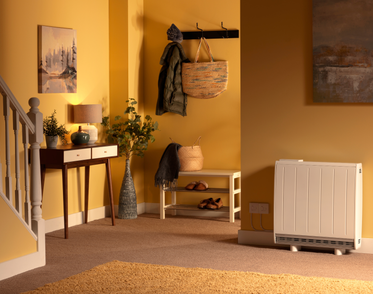
- High heat retention storage heating.
- Phase change hot water storage technologies
- Modern direct electric heating systems for low energy homes.
These technologies can support flexibility, affordability, and rapid retrofit, yet remain outside key incentives such as VAT relief and the Boiler Upgrade Scheme.
The case for a level playing field
BEAMA continues to advocate for a more balanced policy framework that supports all credible electrified solutions.
A diversified technology approach would:
- Improve consumer choice.
- Increase installer engagement.
- Support retrofit at scale.
- Reduce system risk from over-reliance on a single pathway.
Electrification will not scale through a single solution alone, it requires a mix of technologies suited to different contexts.
Conclusion
A successful heat transition depends on choice, flexibility, and a realistic understanding of how homes are actually heated.
If policy continues to focus too narrowly on one dominant technology, it risks slowing adoption and limiting innovation. A broader, more inclusive approach will unlock faster progress and better outcomes for consumers.
BEAMA continues to call for a technology neutral framework that reflects the full range of electrified heating solutions available today.


Join the Electric Heating & Hot Water Group
Supporting electrified heat in the built environment. Join BEAMA’s Electric Heating & Hot Water (EH&HW) Group to shape the future of electrified heat in UK buildings. Influence policy, support market growth, and champion low carbon, cost effective heating solutions.

Return to Electric Heating and Hot Water Market Guidance
Leading to electrifying heating solutions for a low carbon future. Electric heating and hot water technologies are key to decarbonising buildings and transitioning away from fossil fuels. BEAMA provides expert insight into this transition and how to utilise these solutions for the best outcome for all your stakeholders.
