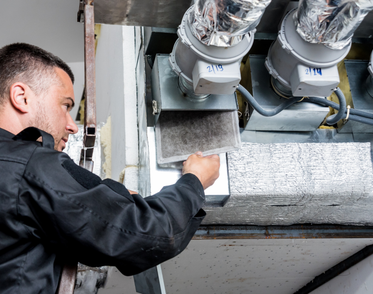

There is growing recognition, at both political and industry level, that the UK is facing a housing-related health crisis. Poor housing conditions are contributing to a range of negative health outcomes, many of which are linked to inadequate ventilation, damp, and poor indoor air quality.
While energy efficiency policy has rightly been a major focus over the past two decades, the current approach to Energy Performance Certificates (EPCs) has not kept pace with the broader need to ensure homes are not only efficient, but also healthy to live in.
The scale of the UK housing and health challenge
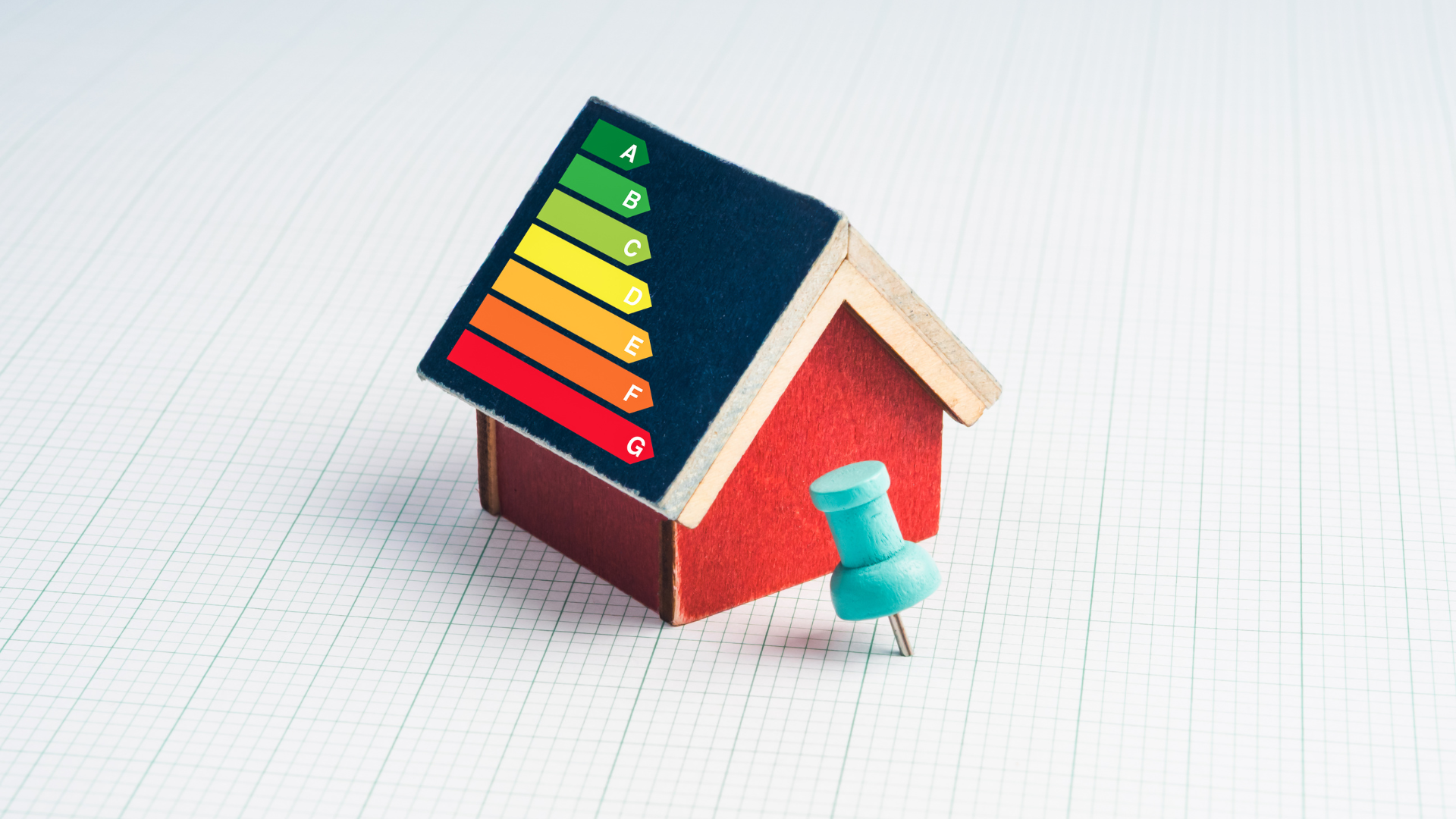
It is well documented that poor housing conditions are linked to significant health impacts across the UK. While figures vary, the scale of the issue is widely acknowledged and continues to place pressure on the NHS and wider public services.
However, the policy frameworks designed to improve housing performance have largely prioritised energy efficiency outcomes, without fully integrating indoor environmental quality, particularly ventilation and indoor air quality (IAQ), into assessment or funding mechanisms.
This creates a structural gap: homes may be improved for thermal performance while still presenting health risks due to inadequate ventilation or overlooked air quality considerations.
The limits of the current EPC framework
The EPC system, developed in the early 2000s, has been instrumental in driving improvements in energy efficiency. However, its focus remains narrowly aligned to energy performance metrics, with limited consideration of indoor environmental health.
This means a key dimension of building performance - how a home supports occupant health - is largely absent from EPC ratings and from many related Government funding schemes.
Even within the Government’s preferred PAS 2030:2024 framework, ventilation and indoor air quality remain secondary considerations to energy efficiency measures. There is currently limited evidence to suggest that this approach is delivering measurable improvements in indoor air quality or wider living standards.
Why reform is urgently needed
The scale of EPC activity highlights why reform presents a significant opportunity.
In England and Wales alone, 465,000 EPCs were issued between January and March 2023. Of these, 410,000 related to existing buildings. This represents a substantial number of “transactional moments” where a property is being sold or rented and where intervention or at least awareness of indoor environmental performance could be introduced.
At the same time, nearly half of UK homes sit below EPC Band C. While this is often used as a proxy for poor performance, it does not necessarily capture the full picture. A low EPC rating may reflect heat loss or under-heating rather than ventilation performance, meaning energy efficiency alone is not a reliable indicator of indoor air quality.
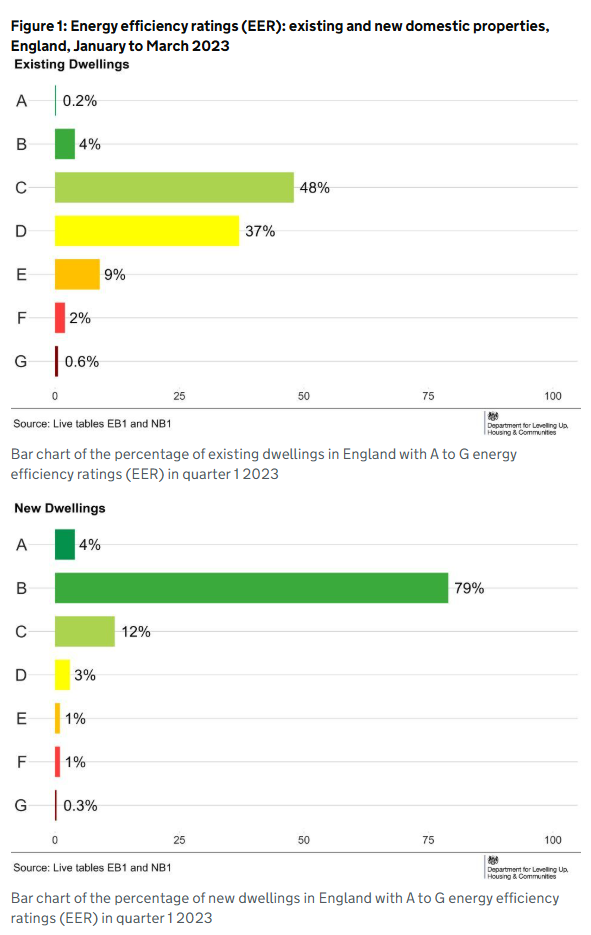
Equally, homes rated EPC Band C or above may still suffer from poor indoor air quality. This can occur where ventilation requirements have been overlooked during retrofit works, where systems are poorly specified, or where older housing stock predates modern ventilation standards set out in Approved Document F of the Building Regulations.
A missed opportunity for healthier homes
The current EPC framework therefore risks missing a critical opportunity: to assess and improve the health impact of homes at scale.
Without integrating ventilation and indoor air quality into energy performance policy, there is a risk that retrofit and efficiency programmes continue to improve thermal performance while leaving underlying health risks unaddressed.
A more integrated approach would allow EPC reform to support both climate and health objectives, ensuring homes are efficient, comfortable, and safe to live in.


Join the Ventilation Group
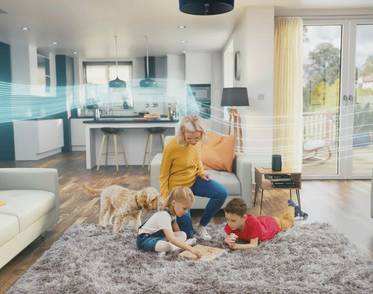
Delivering healthy indoor air solutions. Poor indoor air quality costs the NHS over £1 billion every year. Join BEAMA’s Ventilation Group to be part of the solution, shaping policy, addressing skills and competency challenges, and promoting high quality ventilation systems that support healthier indoor environments and stronger businesses.