

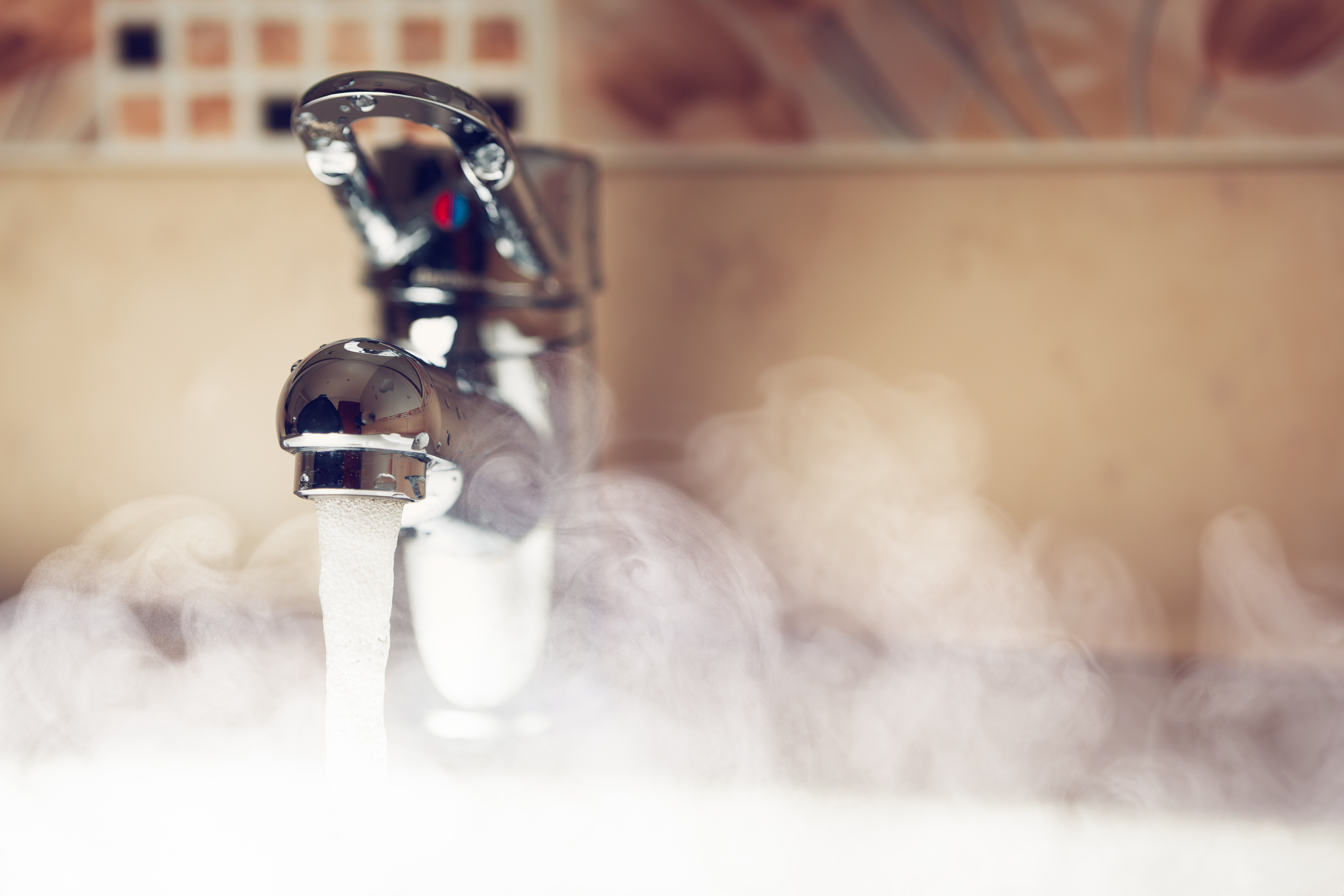
Electric water heating offers a clean, quiet, efficient, and highly convenient way of providing hot water across a wide range of applications. Using electric heating elements that are in direct contact with water, these systems can serve everything from small, instantaneous demand through to full domestic hot water requirements.
As the UK continues to decarbonise its electricity supply, electric water heating is increasingly positioned as a key solution in delivering low carbon, reliable hot water in both residential and commercial settings.
A flexible range of applications
Electric hot water systems are highly versatile and can be tailored to suit different levels of demand.
For small or infrequent use, convenience and space efficiency are often the primary considerations. In these cases, storage is not required, and systems typically operate on standard electricity tariffs. Examples include instantaneous hand wash units or electric showers.
Where larger volumes of hot water are needed, storage based systems are more commonly used. These systems heat and store water in advance, typically during off-peak tariff periods. Electricity suppliers often offer structured tariff options, such as 7-hour night rates or extended 10-hour tariffs that include additional off-peak periods during the day.
Key technology categories
Electric water heating technologies can broadly be grouped into four main categories:
Instantaneous water heaters
Stored water heating
Water boiling units
Electric showers
Meeting modern demand for hot water
Modern lifestyles continue to increase demand for hot water across all settings, from more frequent and powerful showers to greater use of baths and basins.
At the same time, the decarbonisation of the electricity grid is transforming the role of electric water heating. These systems are increasingly capable of delivering abundant hot water in a way that is efficient, reliable and aligned with the UK’s wider net zero goals.
As a result, electric water heating is becoming a credible and flexible solution for both domestic and commercial applications, supporting the transition to a cleaner energy system.


Join the Electric Heating & Hot Water Group
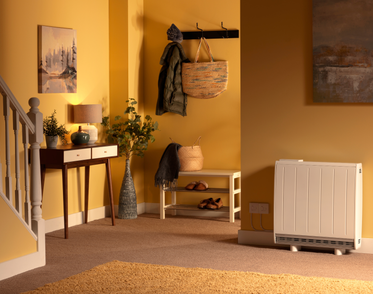
Supporting electrified heat in the built environment. Join BEAMA’s Electric Heating & Hot Water (EH&HW) Group to shape the future of electrified heat in UK buildings. Influence policy, support market growth, and champion low carbon, cost effective heating solutions.
Return to Electric Heating and Hot Water Market Guidance
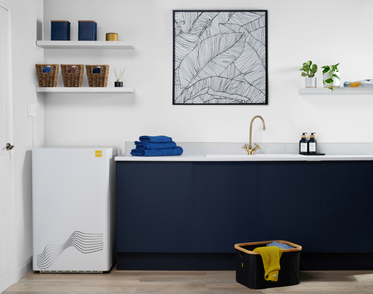
Leading to electrifying heating solutions for a low carbon future. Electric heating and hot water technologies are key to decarbonising buildings and transitioning away from fossil fuels. BEAMA provides expert insight into this transition and how to utilise these solutions for the best outcome for all your stakeholders.
