

Electric space heating is clean, quiet in operation, and requires minimal ongoing maintenance. As electrification continues to be recognised as the future of heat, it is increasingly important to understand what direct electric space heating is and where it is most effectively used.
Understanding direct electric space heating
Traditionally, the direct electric heating systems category has been defined as a combination of storage and direct acting heating, either specified together or separately, supported by a separate hot water system.
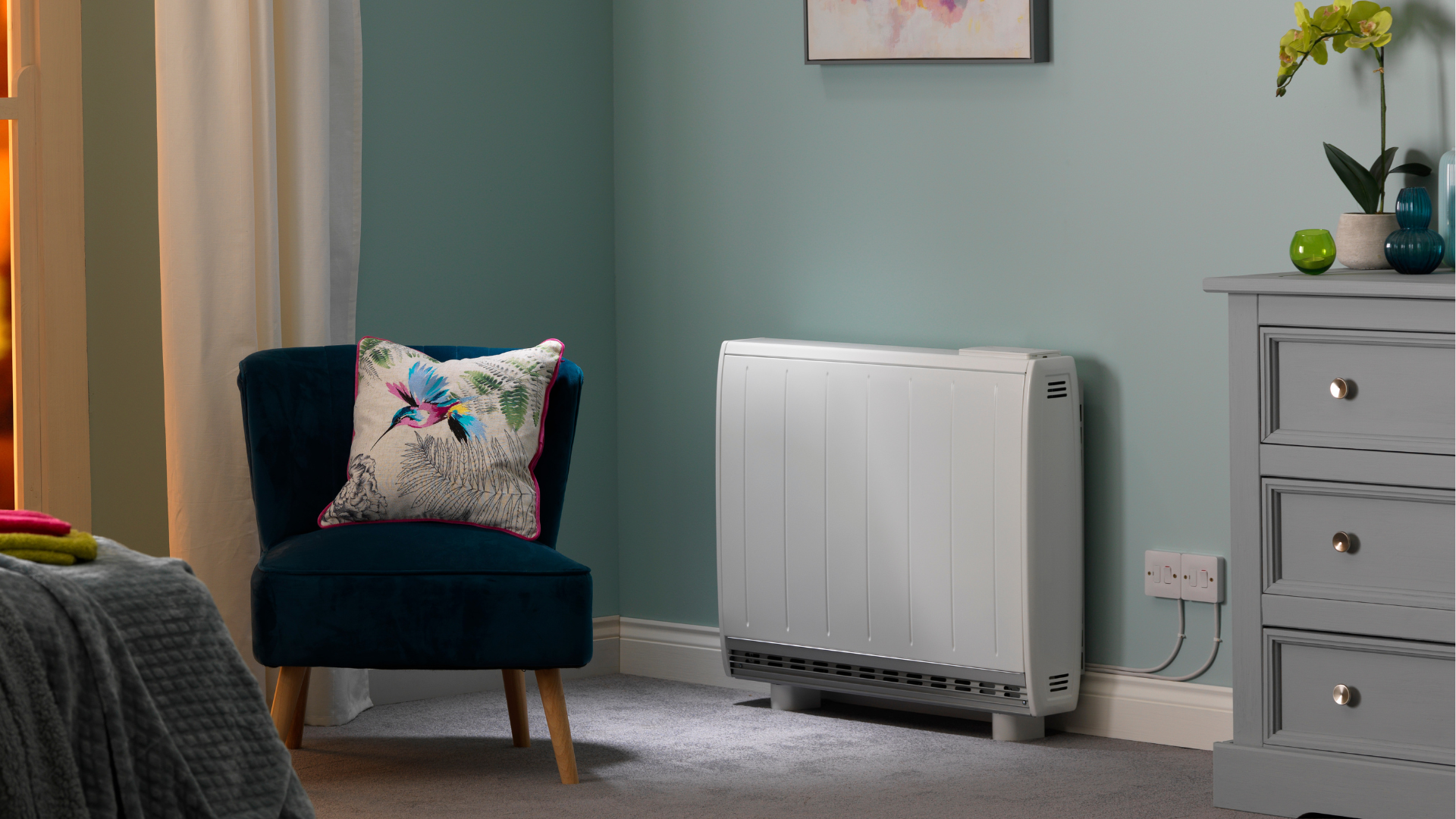
Storage systems, often thought of as static or fan assisted storage heaters but which can also include other space heat storing technologies, store heat during off-peak or reactively to grid abundance, depending on the interlinked tariff, to use during periods of heat demand. They often combine this ability to store heat with highly reactive controls for user comfort and added grid flexibility benefits.
Direct acting systems, such as panel heaters, electric radiators, fan heaters, or electric underfloor heating, have finer temperature control and responsive heat where and when it is needed. It often has responsive heat controls and sleek modern designs.
As building insulation standards have steadily improved over time, largely driven by successive updates to Building Regulations, manufacturers have developed increasingly sophisticated heating equipment, particularly in relation to controls and system responsiveness.
The role of zoned, decentralised heating
The primary application for electric heating is in decentralised systems, which are particularly well suited to accurate zone control.
Each room can be treated as an individual heating zone, enabling independent control and significant flexibility. This approach allows occupants to heat only the spaces they are using, improving efficiency and comfort.
This means that they need to be paired with a hot water solution, such as hot water only heat pump or an electric water cylinder.
Electric heating systems are used across a wide range of applications, from domestic homes through to commercial and industrial buildings. However, the majority of installations in the UK are in domestic properties, where electric heating remains the second most common form of heating after gas.
Electric heating in existing homes
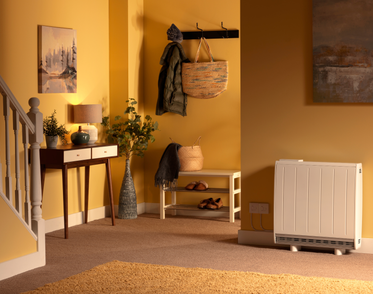
In existing dwellings, particularly those that are far removed from the high insulation standards of new builds, the most common configuration combines storage heating in main living areas and hallways with direct-acting heating in bedrooms, kitchens, and bathrooms. This allows the user to benefit from off peak or flexible energy tariffs in often occupied areas, with precision control in the further rooms.
For example, when correctly sized and properly installed, these systems are typically designed so that around 90% of heating demand is met using off-peak electricity, with only 10% drawn from peak rate electricity.
However, good insulation is essential. As a general principle, all homes must be adequately insulated for electric heating systems to operate efficiently and cost-effectively.
Direct electric heating in new homes
In newer, smaller dwellings built to high insulation standards, overall space heating demand is significantly reduced. In these cases, direct acting electric heating alone is often sufficient.
These systems are among the simplest and most cost-effective to install, while also offering some of the most advanced levels of individual room control available. They can also deliver lower operational energy use and reduced carbon emissions compared to storage-based systems.
That said, on standard electricity tariffs, running costs may be higher than storage systems operating on economy tariffs. However, in very well-insulated homes, particularly smaller properties, total heat demand is so low that this difference is often marginal in practice.
A flexible role in a decarbonising system
Direct electric space heating plays a key role in the wider electrification of heat, particularly in well insulated, low energy buildings and applications where zonal control, simplicity and responsiveness are priorities.
Its flexibility makes it an important part of a diverse, technology neutral approach to heat decarbonisation, one that recognises that different homes and building types require different solutions.


Join the Electric Heating & Hot Water Group
Supporting electrified heat in the built environment. Join BEAMA’s Electric Heating & Hot Water (EH&HW) Group to shape the future of electrified heat in UK buildings. Influence policy, support market growth, and champion low carbon, cost effective heating solutions.
Return to Electric Heating and Hot Water Market Guidance
Leading to electrifying heating solutions for a low carbon future. Electric heating and hot water technologies are key to decarbonising buildings and transitioning away from fossil fuels. BEAMA provides expert insight into this transition and how to utilise these solutions for the best outcome for all your stakeholders.
