

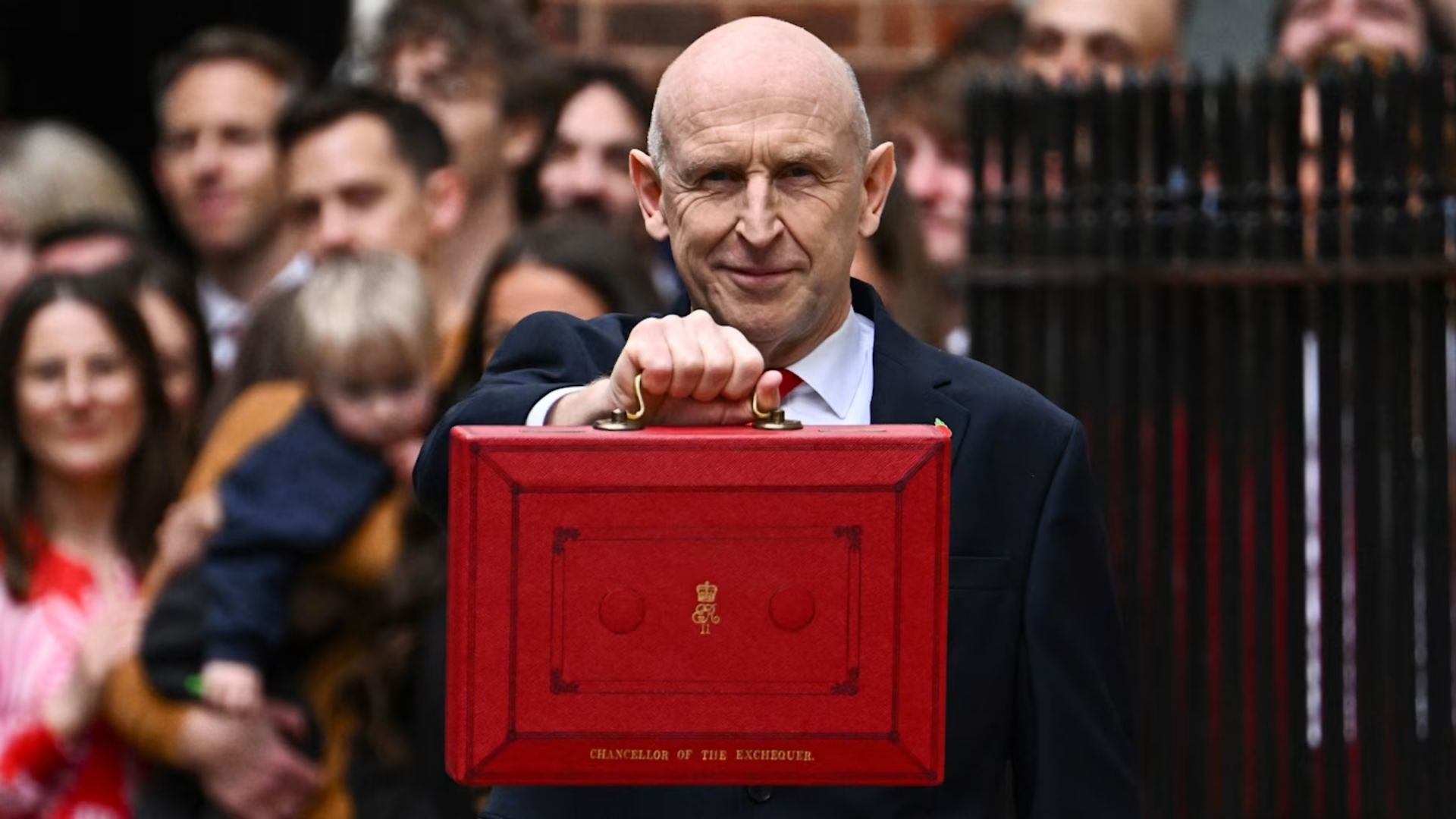
Commenting on the Budget statement delivered on 28th October, BEAMA CEO Yselkla Farmer reflected on a mixed bag for manufacturers of electrotechnical products in terms of energy policy:
THE GOOD:
- Householders will get some temporary relief on their energy bills
- Commitment to a wider review of bill structures
- Heat batteries categorised as an Energy Saving Material
- £100m for public EV charging
THE NOT SO GOOD:
- Missed opportunity to bring confidence by filling some key technology deployment policy gaps, eg full details on Warm Homes Fund, merging of grant schemes, Warm Homes Agency
- BICS kept narrow in scope
- Confirmation of EVED and 20% VAT on public EV charging, with ZEV Mandate announcement to come
- Other business costs still high
Many opportunities and policy mechanisms remain open to Government to boost demand for technology and encourage investment and BEAMA will contribute however we can.
On specific topics of relevance to BEAMA members:
VAT for ESMs:
“The Government’s decision not to renew 0% VAT on energy saving materials doesn’t make sense. On the one hand it is cutting VAT on household electricity bills, but on the other it is adding VAT back onto the products that help people use less energy.
“Energy-saving technologies can save a typical three-bed semi up to £250 a year on electricity bills. This relief has helped incentivise households to invest before their boilers reach end of life. Ending it risks slowing the rollout of smart energy technologies and forcing manufacturers to reconsider investment in facilities and jobs. It is however welcome that heat batteries will be recognised as an ESM.”
Business energy costs:
“We’re disappointed the British Industrial Competitiveness Scheme (BICS) hasn’t been extended to include more businesses. Many manufacturers of electrical products will now continue to pay policy costs on their electricity bills that other manufacturers will be exempt from.
“The cost of manufacturing in the UK is weighing on our members, with long-term investments on a downward trend. We’d like to see policy costs on electrical product production removed for every manufacturer in the UK. Not only would that make for a simpler (and fairer) test than the current eligibility rules, but it would give firms more capital to invest and hire in line with the aims of the Government’s Industrial Strategy.”
Energy bills and technology:
While we welcome the immediate financial support for those who need it and the commitment to reviewing the structure of electricity bills, the Government needs to focus on technology deployment as a way to lower householders’ bills every year and reduce the need for direct financial assistance. This relies on more than just running costs. With a mixture of better recognition of technology benefits in policy, advice, financial incentives and proportionate product regulation timelines, we can build a mass market energy transition for buildings and transport. Industry is waiting for details on the Warm Homes Fund, Warm Homes Agency and successor to ECO, and not publishing these on Budget day was a missed opportunity.
Electric vehicles:
The Government continues to send contradictory messages to consumers. It has announced plans to provide some financial support for those using public chargers, but it has also confirmed plans to introduce EV excise duty, legislate that public chargepoints must face 20% VAT and revise ZEV Mandate targets. The best way to save consumers up to £1200 a year is by helping them into an EV and enabling them to charge at home.